Local Kilimanjaro trekking & Tanzania safari specialists

Tanzania Destinations


SERENGETI NATIONAL PARK

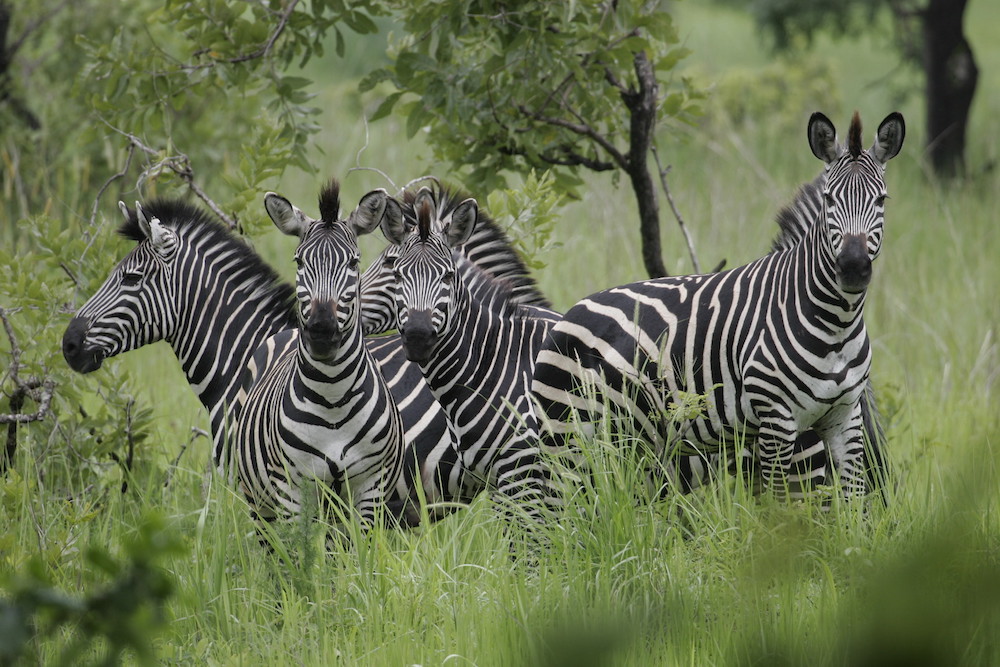
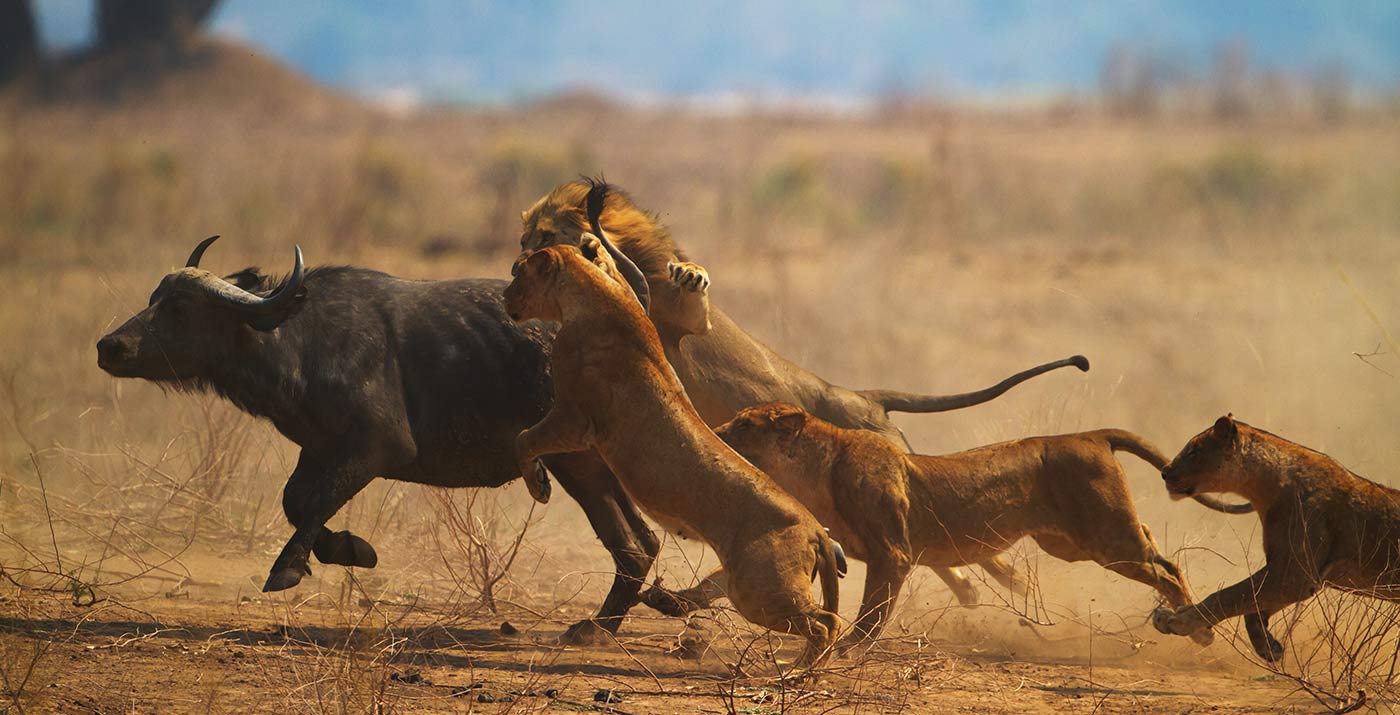
The Serengeti National Park is situated in the Mara Region and it is Tanzania’s oldest national park. It is famous for its annual migration of over 1.5 million white bearded or brindled wildebeests and over 250,000 zebras and for its numerous crocodiles. It is also known for its wealth in other resident wildlife particularly ‘the Big Five’. Serengeti is believed to hold the largest population of Lions in Africa due to the abundance of prey species. Leopards are commonly seen in the Seronera region but are present throughout the park. The African elephant are recovering from population lows due to poaching in the 1980’s and are largely found in the northern regions of the park. Black Rhinoceros are mainly found around the kopjes in the center of the park. African Buffaloes are still in abundance. The park also boasts of other species including cheetah, gazelles, topi, hyena, impala, eland, African wild dog, waterbuck, baboons, and giraffes. It is also home for about 500 bird species including ostrich, kori bustard, crowned crane, secretary bird, lovebirds, marabou stork, martifal eagle and many other vulture species.

NGORONGORO CONSERVATION

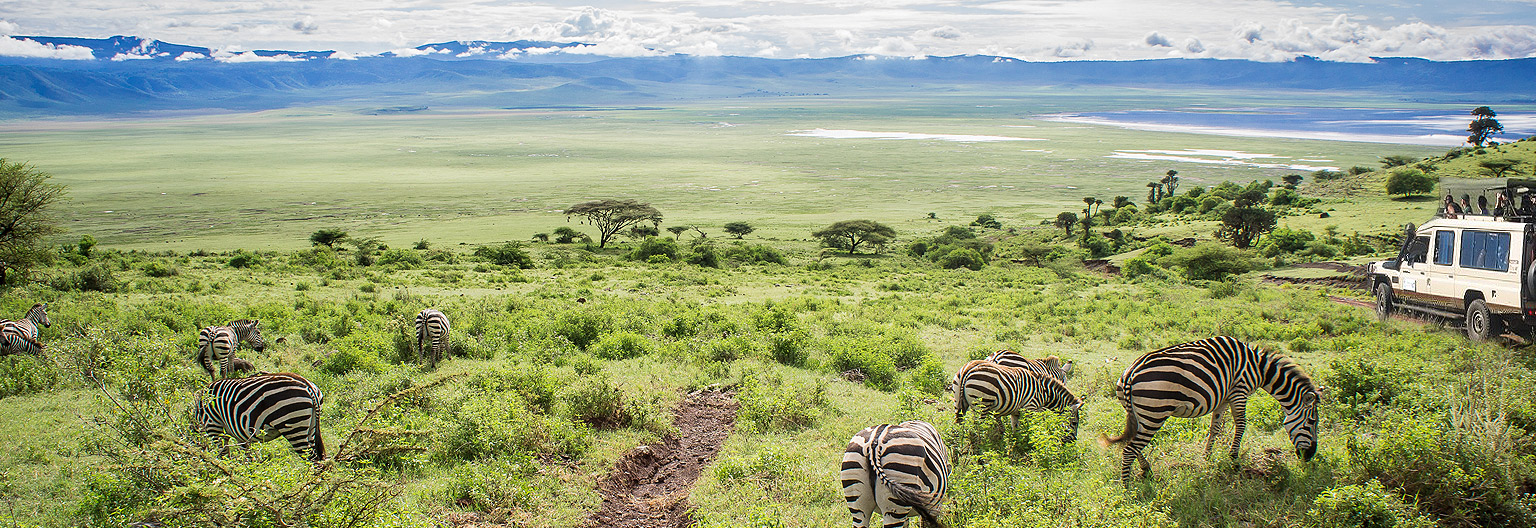
The crater has one of the densest known populations of lions. On the crater rim are leopards, elephants, mountain reedbuck and buffaloes. The rhinoceros are also found at the crater. From a distance in the large lake in the middle of the crater hundreds of flamingoes form a pink like border to the lake. Animals in the crater include most of the species found in East Africa but there are no topis, giraffes, impalas, oribis or crocodiles. The other major source of water in the crater is Ngoitokitok Spring near the eastern crater wall. There is a picnic site here open to tourists and huge swamp fed by the spring and the area is inhibited by hippopotamus, elephants, lions and many others. Many other small springs can be found around the crater’s floor and they are important water supplies for the animals and local Maasai people.
LAKE MANYARA

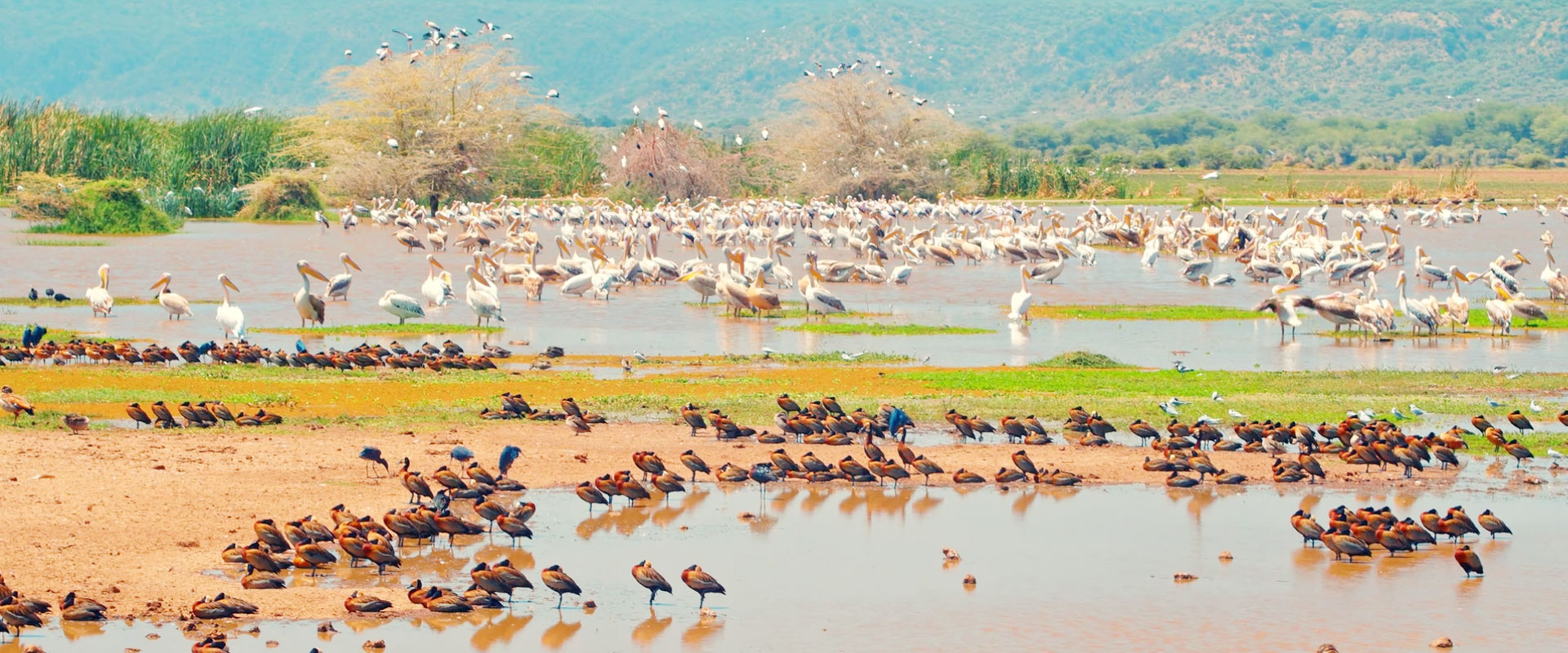
Lake Manyara is part of the northern circuit of national parks in Tanzania. A popular route is to start in Arusha and visit Lake Manyara before continuing to Serengeti National Park, Ngorongoro Conservation Area, and finishing your adventure at Arusha. These attractions can be combined as part of a 5-6 day itinerary. Although Lake Manyara National Park does not contain as much wildlife as its bigger sisters, the Ngorongoro Crater and the Serengeti, scientists believed that Lake Manyara contained one of the highest concentrations of wildlife in Africa during the 1980s.

Tarangire National Park

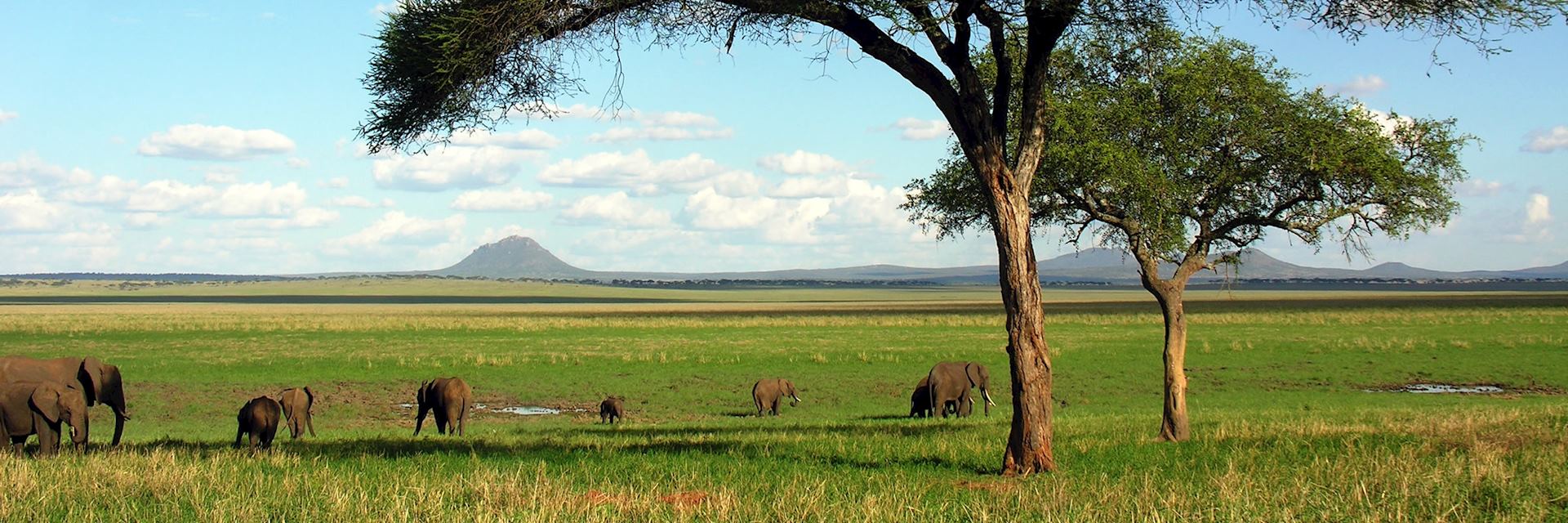
Tarangire National Park is in northern Tanzania, just south of Lake Manyara. This is a protected area of colossal baobabs, grassy plains and huge herds of elephant. The park is one of the most underrated of Tanzania’s attractions, receiving just a fraction of the Serengeti’s visitors, which means more space and exclusivity for those who do make it to Tarangire. As well as 300-strong herds of elephant, visitors will find big groups of buffalo and healthy populations of lion and leopard. During the dry season, Tarangire has the highest concentration of mammals in the country. There are wild dog and rare antelope such as gerenuk, plus more than 550 species of birds to spot throughout the year. Tarangire is the ideal park for those who want to explore beyond game drives. Walk through the savannah to study the smallest creatures and learn about tracking animals. Soar through the sky in a hot-air balloon at dawn or head out on a night drive to find nocturnal wildlife.


We’ll show you Tanzania, better than anyone else

Start with your dates

Ready to plan your Tanzania adventure?

Tell our local team your preferred route, safari style, group size and travel dates. We will help you shape the itinerary around the time you have.

WhatsApp